Monthly Archive for March, 2009

Blue in the Face II

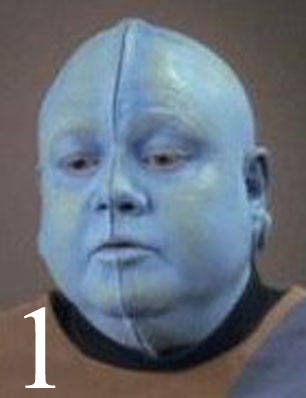
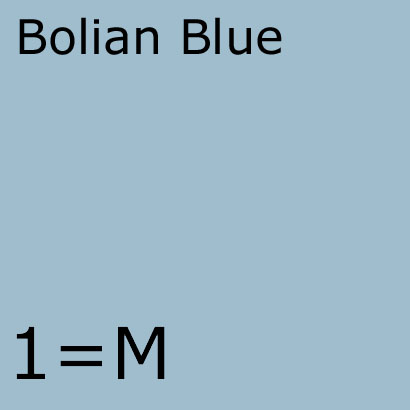
Here are the answers to the Blue in the Face Matching Game in the form of color chips for each of the skin colors.  The colors range from the warmest blues such as Meanie Blue to the coolest blues such as Beauregard Blue; from the most saturated, Blue Man Blue to the least saturated, Walters Blue; and from the darkest, Warhol Blue to the lightest, Krishna Blue. As you can see, its easy to find many variations of one color  – and color names can come from anywhere!  

blue01-208-bolian-chip-copy2blue03-201-dr-manhattan-chip

blue02-198-blue-meanie-chip-copy


TERMINATOR 3 PREMIEREblue04-239-violet-beauregard-chip1blue05-230-thrawn-chip-copy1

blue07-227-sahara-tuareg-chip-copyblue09-207-picasso-lady_edited-1

blue08-208-andy-warhol-chip1

blue10-190-twi-lek-chip-copy

blue12-202obama-chip-copy

blue11-180krishna-chip-copy

blue13-200-braveheart-chip-copy

blue15-227-beast-chip-copyblue14-206-smurf-chip-copy

blue16-214-aelo-chip_edited-2

blue18-195-bobinsky-chip-copyblue17-232-farscape-chip-copy

blue19-236-andorian-chip-copyblue21-212-mystique-chip-copyblue20-208-fred-walters-chip


Blue in the Face Matching Game

I read recently that our different races are all the colors of the earth – the dirt, the soil, the clay, the sand.  Since there is no blue earth, characters with blue skin seem unnatural and other worldly. Here’s a fun matching game on blue skinned  folks  seen in shows, movies, TV, artwork, and comic books.  Note that I drew the line at humanoids. No Cookie Monster or Blue dogs.  (You can tell that we watch lots of science fiction in this house! ) Match the photos to the list below and then let me know if I missed your favorite blue face, real or imaginary.

blue1-bolian_edited-1

blue3-dr-manhattan_l-copyblue2-blue-meanie_edited-12

 blue4-violet-beauregard_edited-22TERMINATOR 3 PREMIEREblue5-admiralthrawn-copy

blue-7-blue-men-of-sahara-tuareg-copy2

blue-9-picasso-lady

blue8-andy-warhol-1967_edited-2blue10-jedimaster-aayla-securablue-12-obama_edited-3blue-11-krishna-1

blue13william-wallace-braveheart_edited-1                           blue-15-beastblue14-smurfette_edited-12                                                                                             

blue-16-aelo1blue18-the-amazing-bobinsky-from-coraline-bblue-17-pau-zotah-zhaan-of-farscape-copy1                                                                                            

 blue19-andorian_edited-1blue-21-mystique3pubgblue20-fred-walters

A.   Andy Warhol, 1967 self-portrait     

B.   Beast, from X-Men 3

C.  Aayla  Secura, from Star Wars 2

D.  Aelo, international performer

E.  William Wallace, from Braveheart

F.  Smurfette, the only female smurf

G.   Taureg tribesman, from the Blue Men of the Sahara

H.  Commander Shran, Andorian from Star Trek

I.   Blue Lady, Picasso

J.   Grand Admiral Thrawn, from the Star Wars Thrawn Trilogy    

K.  Obama, poster by Shephard Fairey

L.  Blue Man, international performer   

M. V’Sal, Bolian barber on Star Trek     

N.  Lord Krishna, Hindu God

O.  Mystique, from X-Men I 

P.  Fred Walters, sideshow star

Q.  Blue Meanie, from Beatles Yellow Submarine

R.  The Amazing Bobinski, from Coraline

S.   Pa’u Zotah Zhaan, from Farscape

T.    Dr. Manhattan, from Watchmen

U.  Violet Beauregard, from Willie Wonka and the Chocolate Factory

Blue in the Face

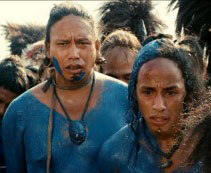
blueapocalypto-03The article on the mystery of Maya blue led me to the movie Apocalypto. I was hoping to find images of sacrificial victims painted blue.  I did find some photos but was surprised to see that the faces were not painted.    Given Mel Gibsons reputation for historical accuracy, I am guessing there is a Mayan painting somewhere that shows how the slaves were painted. I just assumed the faces would be blue too.

Do you remember a few months ago when Paul Karason had his 15 minutes of fame? He is blue.  He has a condition known as argyia, which is caused byblue2 ingesting silver.  It seems Paul has been drinking collodial silver for the past 14 years for “health reasons.”  Since silver can damage organs and eventually cause death its a scary way to become famous.  You would think he might learn a lesson from the story of Captain Fred Walters who had a sideshow career at the turn of the century.  He tried to become as blue as possible and in the end died of silver poisoning.

blue-9-fugates_edited-1-copyIn my research I came across a reason for naturally occuring blue skin.  Methemoblobinemia (try saying that three times in a row!) is a rare enzyme deficiency that turns blood blue.    The most interesting article describing this hereditary condition was published in Science magazine in 1982 about the Fugate family of Kentucky.   From my limited understanding of the condition, it is caused by a lack of oxygen in the blood. When someone says, “She argued until she was blue in the face.” maybe it means ”She argued until she cut off the oxygen in her blood.”

Maya Blue

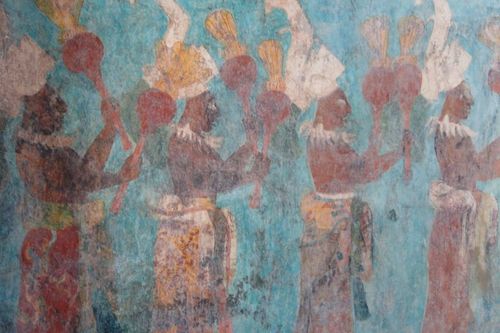
bonampak_mural2Last week the New York Times reported that the science world was a buzz with the publication of an article in Antiquities magazine solving the mystery of Maya Blue.  The color, often described as matching the Caribbean sky, is a brilliant turquoise blue. It is shown here  on a wall from the murals at Bonampak.

Most pigments are fugitive. They will fade over time, especially if exposed to the elements.  Maya blue  remains vivid on artifacts thousands of years old. 

According to previous studies, Maya blue is made by fusing the mineral palygorskite with pigments from the leaves of the indigo plant. But the two ingredients do not readily combine, and it was unknown until now how the Maya fused them.

In the recent article archaeologists confirm the theory that copal incense was important to the production of Maya blue and that the preparation of the paint took place during the burning of incense at sacrificial ceremonies.  The bodies of the sacrificial victims were painted blue just before they were killed.  080226-maya-blue_170

The National Geographic  article includes more information about the finding of a significant bowl from the Mayan ruins. “The bowl was discovered more than a century ago at the bottom of the Sacred Cenote, a large sacrificial sinkhole at the Maya site of Chichén Itzá, which was associated with the rain god Chaak. 

Lead study author Dean Arnold of Wheaton College in Illinois first came across the pottery bowl while searching through the Maya collection at the Field Museum. He noticed that the bowl contained a wedge of preserved incense dotted with white flecks and a blue pigment.”  The flecks turned out to be palygorskite and indigo. Putting two and two together solved the mystery.